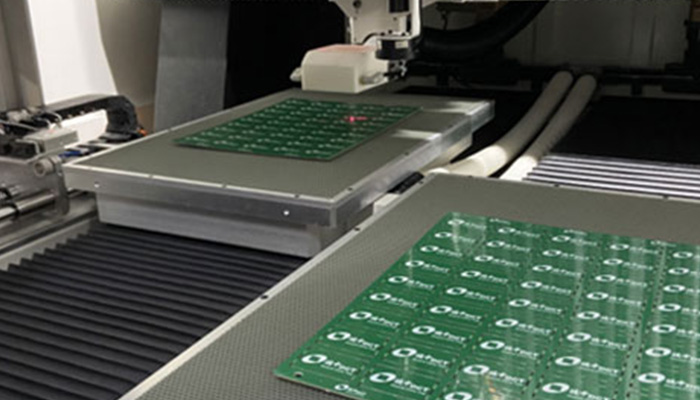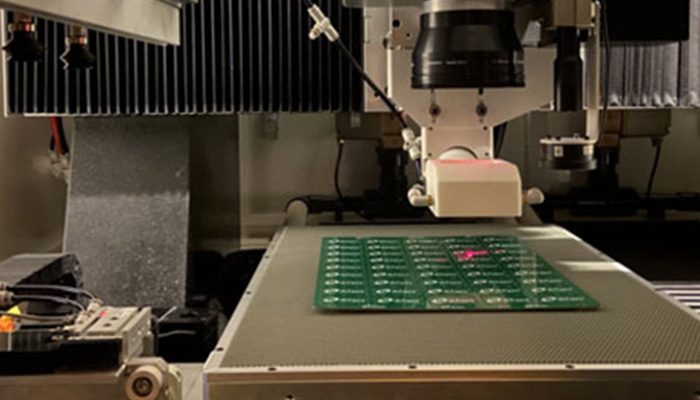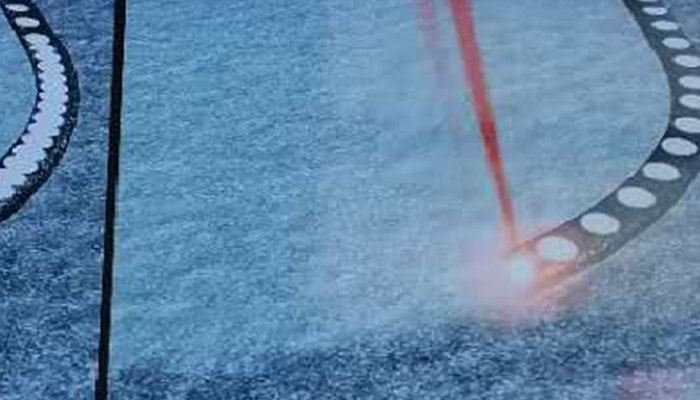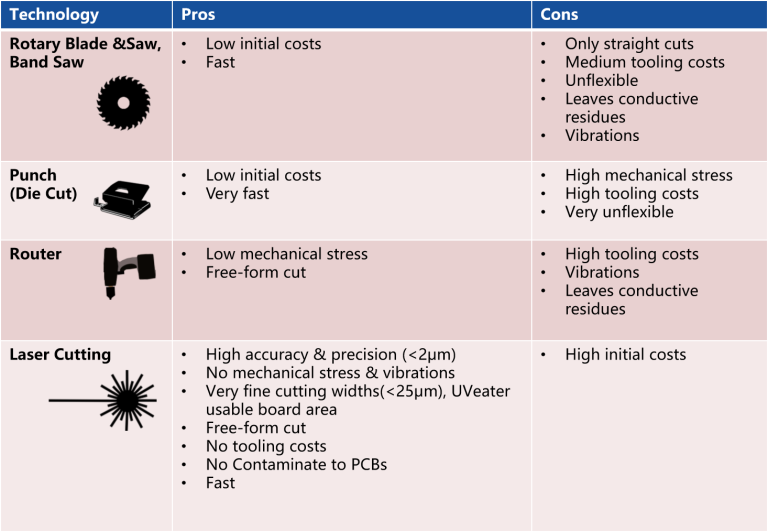


If you’re still relying on mechanical routers, you’re playing a dangerous game with physical stress and microscopic component cracking. By moving to laser systems, high-end electronics plants are essentially deleting those headaches from the equation. We’re talking zero tool wear, precision down to ±20 microns, and the complete elimination of field failures caused by board flexure.

The hard truth is that mechanical separation methods (routing, V-cut, punching) rely on physical contact tools that degrade from the very first cut. To maintain 24/7 consistency, you don’t need a "better" router bit; you need to eliminate the physical contact entirely.

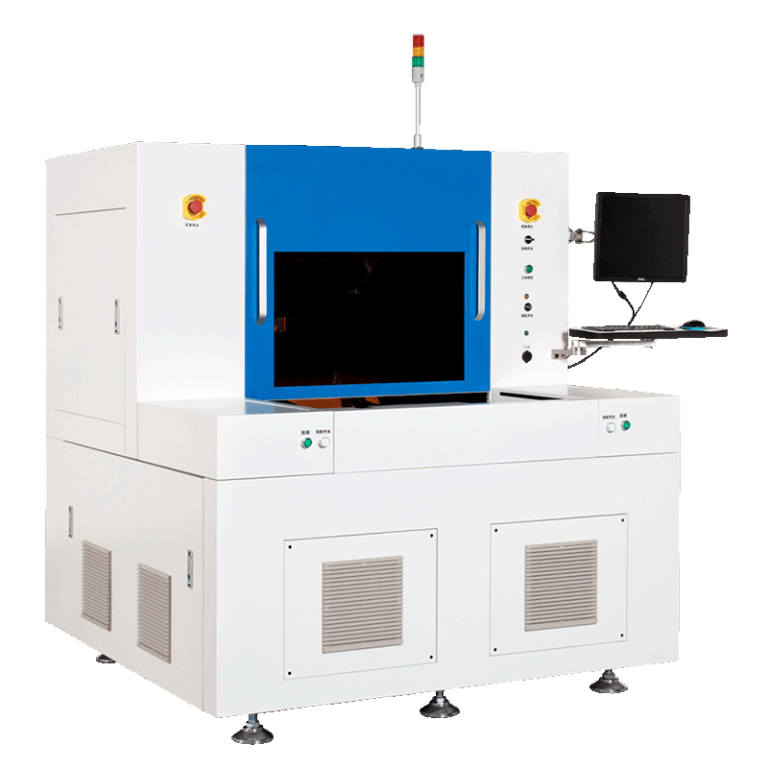
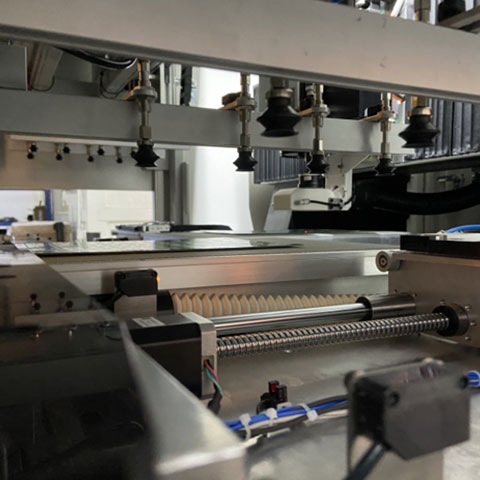
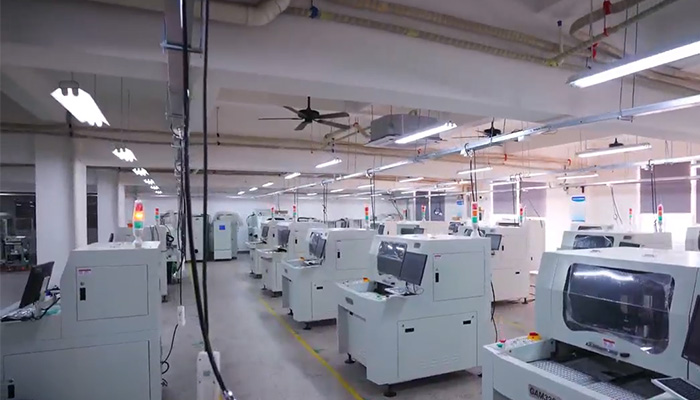
PCBSEP builds high-precision PCB Laser Depaneling Machines for high-volume OEMs. Eliminate mechanical stress, reduce scrap rates, and automate your SMT line with our Inline & Offline Singulation systems. Get a quote today.

Find the best PCB laser cutting machine supplier for your production. Learn how PCBSEP delivers precise, stress-free laser depaneling with global support.

1) Materiais em resumo: Cerâmicas (Al₂O₃/AlN, HTCC/LTCC): Extremamente duras, quebradiças, termicamente condutivas, baixo CTE. Ferramentas mecânicas induzem rachaduras e partículas; a ablação a laser é isenta de desgaste. IMS (Substratos Metálicos Isolados): Circuito de cobre + dielétrico + núcleo de Al/Cu (às vezes inoxidável). Ótimo para aplicações térmicas…

A despainelização a laser UV proporciona cortes estreitos (≈20–50 µm), bordas limpas e separação sem estresse — aumentando o rendimento do painel e reduzindo o retrabalho em comparação com roteamento, puncionamento ou fresamento. Por que UV para Singulação de PCBs: Cortes e Rendimento: A Matemática que Compensa a Qualidade das Bordas e o Controle de ZTA…

TL;DR 1) Noções básicas sobre espaçamento e corte (a única matemática que importa) Fórmula de placas por painel (BPP) (sem aninhamento/rotações): UsableWidth = PanelWidth – 2 * RailXUsableHeight = PanelHeight – 2 * RailY Across = floor( UsableWidth / (BoardX + SpacingX) )Down = floor(…