Don't worry, contact Our boss immediately
Don't rush to close it, now, please talk to our boss directly. Usually reply within 1 hour.
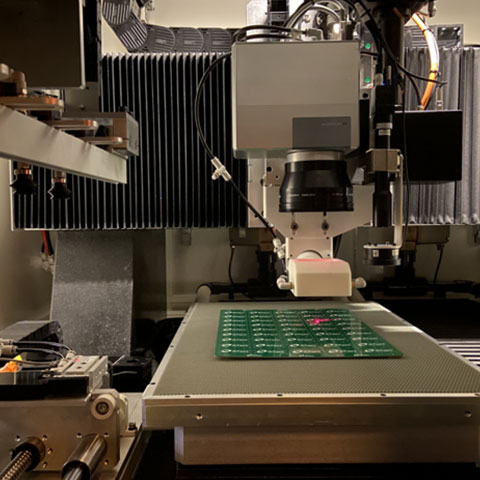
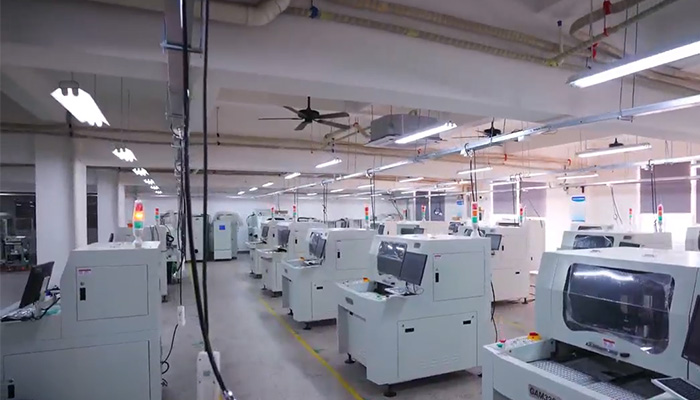
China's leading manufacturer of PCB Laser Dapaneling Machine
One-Stop PCB Depaneling Solutions
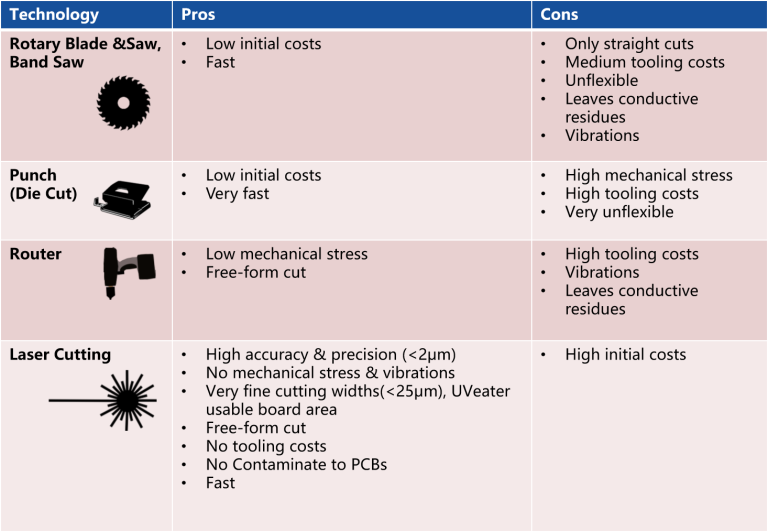
The hard truth is that mechanical separation methods (routing, V-cut, punching) rely on physical contact tools that degrade from the very first cut. To maintain 24/7 consistency, you don’t need a "better" router bit; you need to eliminate the physical contact entirely.
The day shift runs perfectly. Your Cpk values are solid, and edge quality is pristine. But somewhere in the middle of the night, the mechanical router bit wears down just enough to start pulling fibers. Or perhaps the accumulated mechanical stress causes a micro-crack in a sensitive ceramic capacitor (MLCC) near a breakaway tab. By morning, you are facing a yield drop and a pile of scrap that needs manual inspection.
In high-end manufacturing—whether it is Automotive Sensors, Medical Devices, or Precision FPCs—consistency is not just a metric; it is the only thing that matters.
I have spent years on factory floors solving these exact “drift” issues. The hard truth is that mechanical separation methods (routing, V-cut, punching) rely on physical contact tools that degrade from the very first cut. To maintain 24/7 consistency, you don’t need a “better” router bit; you need to eliminate the physical contact entirely.
Here is why a laser depaneling machine is the only viable solution for true zero-defect mass production, and how we help manufacturers solve consistency drift.
To solve a problem, we must first understand its physics. In a 24/7 production environment, variables are the enemy.
In a mechanical router system, the cutting tool is a constantly changing variable. A fresh bit cuts differently than a bit that has processed 500 meters of FR4. As the bit dulls, it generates more heat and requires more force, leading to:
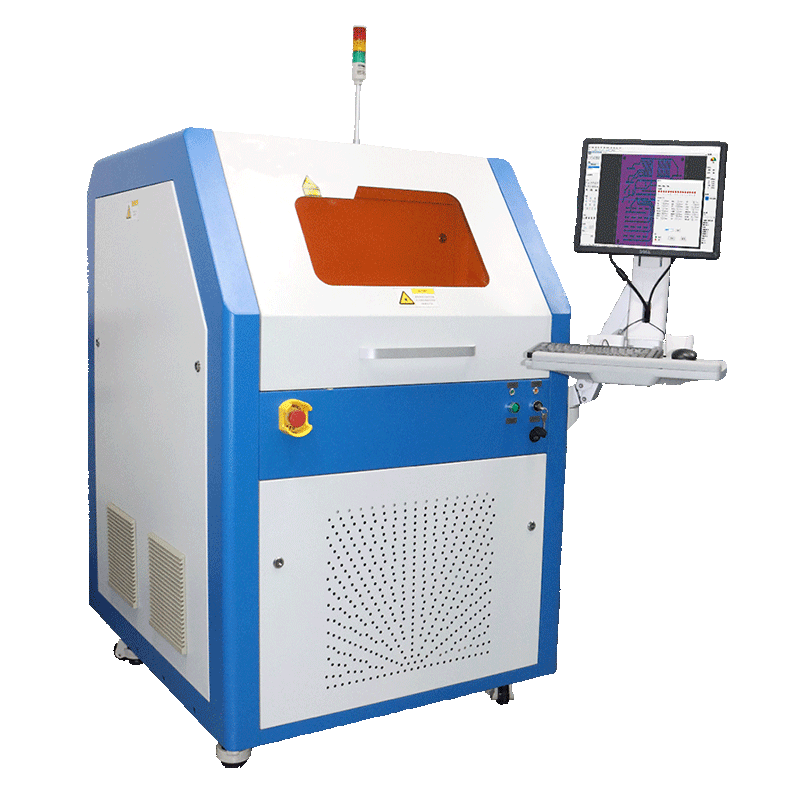
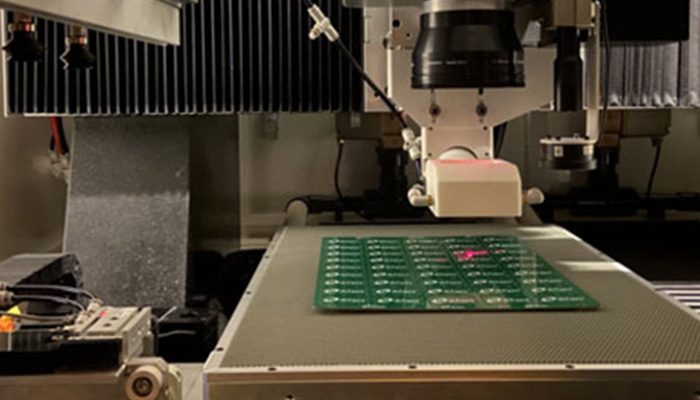
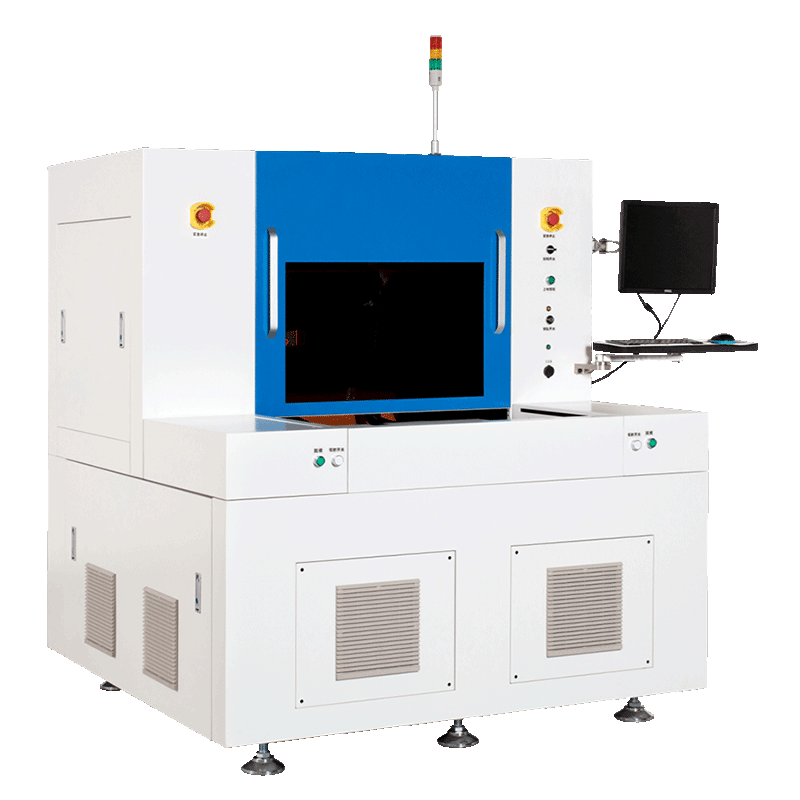
A laser beam does not wear out. A UV laser depaneling machine delivers the exact same energy density (Fluence) on the 10,000th panel as it did on the first.
Industry Data: According to Murata, a leading capacitor manufacturer, mechanical strain on PCBs should be kept below 500 µstrain (microstrain) to prevent MLCC cracking in critical applications. Mechanical routers often spike above 800-1000 µstrain as bits dull. Laser depaneling consistently keeps stress below 50 µstrain.
Source: Murata: Strain Crack Mechanism and Preventive Measures
Many engineers worry about “carbonization” (charring) or Heat Affected Zones (HAZ) when they hear “laser.” This is a valid concern if you are using outdated CO2 technology for precision work. However, modern manufacturing uses UV.
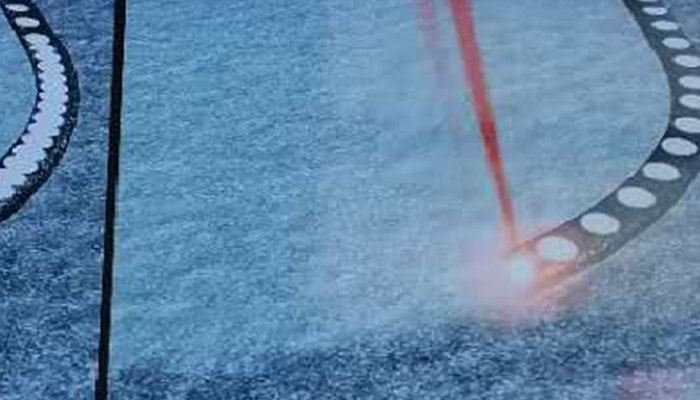
At PCBSEP, we primarily utilize UV Lasers (355nm) for high-precision depaneling. Unlike CO2 lasers which cut by melting (thermal process), UV lasers use high-photon energy to break the molecular bonds of the material directly (photo-chemical process).
This is critical for complying with standards like IPC-5704 (Cleanliness Requirements for Unpopulated Printed Boards). Mechanical routing leaves ionic residue and dust that can cause electrochemical migration. Laser ablation vaporizes the material, which is immediately evacuated by our localized dust collection systems, leaving a chemically clean edge.
For manufacturers dealing with flexible circuits, our FPC laser cutting machine utilizes this cold ablation to prevent the “curling” or burning of the coverlay—a common pain point that mechanical dies cannot solve.
Let me share a real-world scenario from a Tier-1 Automotive client we worked with in Europe.
The Problem:
They were manufacturing airbag deployment sensors. The field failure rate was hitting 0.8%, which is unacceptable in automotive. Failure analysis traced the root cause to micro-cracks in 0402 MLCCs located just 2mm from the tab breakout. The mechanical stress from the router was propagating through the rigid FR4 board.
The Solution:
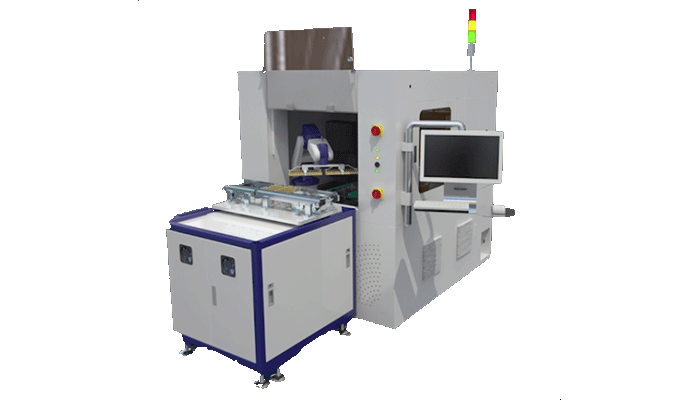
We implemented an inline laser depaneling machine with automatic loading/unloading to replace their router island.
| Performance Metric | Mechanical Router (Traditional) | PCBSEP UV Laser System (Solution) | Engineering Impact |
| Mechanical Stress | High (800 – 1,000 µstrain)<br>Risk of cracking MLCCs/Solders | Negligible (< 50 µstrain)<br>Non-contact ablation | 95% Stress Reduction: Eliminates “invisible” micro-cracks that cause field failures. |
| Process Yield (FPY) | 96.5% (Average)<br>Drops as router bits wear down | 99.92% (Consistent)<br>Laser beam does not dull | Yield Boost: Prevents the “3 AM drift” where edge quality degrades during night shifts. |
| Edge Quality | Burrs & Dust<br>Tears glass fibers; requires washing | Clean & Smooth<br>Carbon-free cutting (UV); no burrs | Compliance: Meets strict cleanliness standards (IPC-5704) without extra washing steps. |
| Consumables Cost | High ($1,200+ / month)<br>Router bits, dies, and jigs | Near Zero<br>No physical tools to replace | OpEx Savings: The machine pays for itself by eliminating tool costs. |
| Maintenance Cycle | Daily<br>Bit changes & calibration | Yearly<br>Optics check (20,000+ hour source) | Uptime: Maximizes line availability for continuous mass production. |
ROI Analysis:
Despite the laser machine having a higher initial capital cost, the elimination of scrap (the biggest cost driver) and router bit consumables resulted in a break-even point of just 14 months.
Transitioning from mechanical to laser requires a shift in process thinking. Here is how we guide our partners through it:
Before you buy, you must test. We recommend sending your “Golden Sample” panel to our lab. We determine the optimal laser source (UV vs. Green) based on your specific stack-up (Copper thickness, Polyimide, FR4, Ceramic).
If you are producing medical devices, you likely adhere to strict particulate standards. We configure the fume extraction airflow to ensure carbon particles are evacuated immediately.
For a 24/7 line, the machine must talk to your factory.
Q: Will the laser burn the edges of my white PCB?
A: With standard CO2 lasers, yes, you will see scorching. However, our pcb laser depaneling machine using UV technology employs “cold cutting.” With the correct pulse repetition rate and cutting speed, the edge remains clean, and discoloration is negligible.
A: For thick FR4 (>1.6mm), a router is linearly faster in pure cutting speed. However, when you factor in Total Throughput (no downtime for bit changes, no post-cleaning washing, no jig maintenance), the laser often wins. For FPC and thin rigid-flex (<1.0mm), the laser is significantly faster and more accurate.
A: This is a common myth. Modern solid-state UV lasers have a typical lifespan of 20,000+ hours before requiring significant maintenance. That is roughly 2.5 to 3 years of 24/7 operation without a single “tool change.”
A: Yes, this is the “killer app” for lasers. Mechanical routers struggle with the transition between the rigid FR4 and the flexible polyimide. Lasers switch parameters instantly on the fly, cutting through the rigid section with high power and the flex section with lower power, all in one continuous pass.
A: Safety is non-negotiable. Our systems are fully enclosed Class 1 Laser Safety products, meaning no laser radiation escapes the machine. Regarding the “smoke” (ablation fumes), it is actually less hazardous than the fiberglass dust created by routers. We integrate high-performance fume extractors with HEPA and activated carbon filters that capture 99.97% of particulates and neutralize odors before the air is recirculated. Your shop floor remains clean, and your operators are fully protected.
A: Not at all. If your team can use CAD, they can run our machine. Unlike mechanical routers that require you to design and mill physical jigs for every new product, our PCB laser depaneling machine software imports standard DXF or Gerber files directly. You simply select the cutting lines on the screen, set the power parameters, and the vision system handles the rest. We typically train operators to run the machine independently in less than two days.
Consistency isn’t an accident; it’s an engineering choice.
In a 24/7 production environment, the cost of inconsistency—scrap, field failures, and downtime—far outweighs the initial investment in better technology. By switching to laser depaneling, you aren’t just buying a machine; you are buying the certainty that the board cut at 3:00 AM is identical to the one cut at 3:00 PM.
Ready to eliminate mechanical stress from your production line?
We don’t just sell machines; we provide solutions. Contact PCBSEP today to schedule a free sample cutting test and see the difference precision makes.